As an Amazon Associate I earn from qualifying purchases.
As an Amazon Associate I earn from qualifying purchases.
UMAi sells its dry aging bags in three sizes, matched to the cut. For most people, the UMAi bags for ribeye and striploin are our pick: the listing gives 12 × 24 in bags for boneless cuts up to 18 lb, aged 28 to 45 days in a home fridge with no vacuum sealer. Choose the brisket and bone-in size for cuts up to 20 lb, or the rib roast size for roasts up to 10 lb.
LSU AgCenter describes traditional dry aging as storing beef uncovered at 32°F to 34°F, with regulated humidity and airflow, for up to four weeks (LSU AgCenter). UMAi bags are a different method: the meat sits in a moisture- and oxygen-permeable bag in a regular fridge, per the listings. For the difference in result, see dry aged vs wet aged beef.
How we compared them
SaltRail did not hand-test these bags. We compared what each Amazon listing states: bag size, cut and weight, aging time, sealing method and pack count. We read every listing on November 17, 2026. Three are UMAi sizes; we added one other brand for comparison. We left out the awards and taste claims the listings make. Commission rates play no part in the order.
| Bag | Size (listed) | Holds (listed) | Cuts (listed) | Aging time (listed) | Pack |
|---|---|---|---|---|---|
| UMAi Ribeye & Striploin (B00HUS4J4S) | 12 × 24 in | 12–18 lb | Striploin, boneless ribeye, sirloin | 28–45 days | 3 |
| UMAi Brisket & Bone-In (B086L6F9NQ) | 16 × 28 in | 14–20 lb | Brisket, bone-in ribeye, short loin | 28–45 days | 3 |
| UMAi Rib Roast (B01C3BS9FQ) | 10 × 20 in | 8–10 lb | Boneless or bone-in rib roast | 28–45 days | 3 |
| DryAgePro (B09Q86GSNC) | 12 × 24 in | Up to 18 lb | Boneless ribeye, strip loin | 21–45 days | 5 |
Best UMAi Dry Aging Bags
Best for most people: UMAi Dry Aging Bags, Ribeye & Striploin
Best for brisket and bone-in cuts: UMAi Dry Aging Bags, Brisket & Bone-In
Best for a rib roast: UMAi Dry Aging Bags, Rib Roast
Best non-UMAi alternative: DryAgePro Dry Age Bags
UMAi Dry Aging Bags, Ribeye & Striploin
UMAi Dry Aging Bags, Ribeye & Striploin
12 × 24 in · 12–18 lb boneless cuts · 28–45 days · 3 pack · no vacuum sealer
Check today’s price on Amazon
Buy this size for a boneless ribeye, strip loin or sirloin.
Pros
- Holds strip loin, boneless ribeye or sirloin up to 18 lb
- Sealed by the immersion method; no vacuum sealer needed
- Tie off the bag once it touches 80% of the meat’s surface, per the listing
- Instructions and recipes included
Cons
- Boneless cuts only at this size
- The listing gives 28 to 45 days; LSU describes up to four weeks for traditional aging
The listing says to trim away the bark after aging. LSU AgCenter notes that dry aging costs more because of moisture loss and trimming.
UMAi Dry Aging Bags, Brisket & Bone-In
UMAi Dry Aging Bags, Brisket & Bone-In
16 × 28 in · 14–20 lb · brisket, bone-in ribeye, short loin · 3 pack
Check today’s price on Amazon
Choose the larger bag for bone-in cuts or a whole brisket.
Pros
- 16 × 28 in, the largest UMAi size here
- Holds brisket, bone-in ribeye or short loin up to 20 lb
- The listing says to age it in the fridge on an open wire rack
- Same immersion sealing as the other UMAi bags
Cons
- Needs fridge shelf space for a 20 lb cut on a rack
- Three bags per pack, the same as the other UMAi sizes
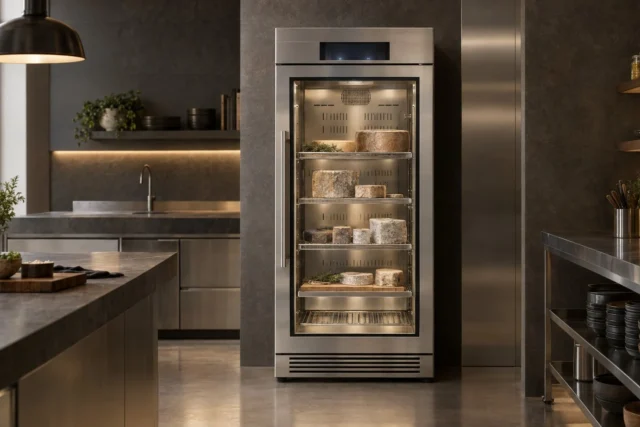
For a fridge built for aging, see best dry aging fridge.
UMAi Dry Aging Bags, Rib Roast
UMAi Dry Aging Bags, Rib Roast
10 × 20 in · 8–10 lb · boneless or bone-in rib roast · 3 pack
Check today’s price on Amazon
Pick the rib roast size for a holiday roast rather than a whole loin.
Pros
- 10 × 20 in bags
- Holds a boneless or bone-in rib roast up to 10 lb
- Aged 28 to 45 days in the fridge, per the listing
- Moisture- and oxygen-permeable membrane, per the listing
Cons
- Smallest size; too small for a whole strip loin
- Covers one roast per bag
Use it for a single roast-sized cut.
DryAgePro Dry Age Bags
DryAgePro Dry Age Bags
12 × 24 in · up to 18 lb · 21–45 days · 5 pack
Check today’s price on Amazon
Choose DryAgePro if you want more bags per pack in the ribeye and strip size.
Pros
- Five 12 × 24 in bags, versus three in the UMAi pack
- Boneless ribeye and strip loin up to 18 lb
- No vacuum sealer needed, per the listing
- Moisture- and oxygen-permeable material, per the listing
Cons
- Not UMAi; one size only in this listing
- The bullets we read don’t give a sealing method
The listing gives 21 to 45 days, a wider range than UMAi’s.
Buying Guide
- Weigh the cut and match it to the bag: up to 10 lb, up to 18 lb or up to 20 lb.
- Check bone. UMAi sells a separate size for bone-in cuts and brisket.
- Plan fridge space and time. The listings give 28 to 45 days on a rack.
- Keep the fridge cold. UNL Extension says refrigerators should be at or below 40°F.
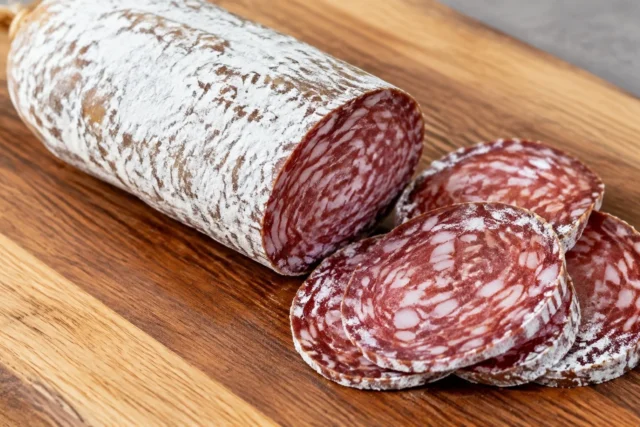
UMAi also makes salami kits; see salami making kit. For a temperature controller on a spare fridge, see Inkbird temperature controller.
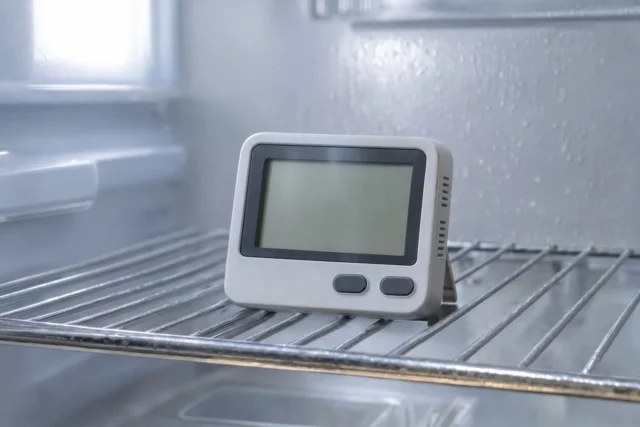
SAFETY: LSU AgCenter describes dry aging at 32°F to 34°F (LSU AgCenter), and UNL Extension says refrigerators should be kept at or below 40°F (UNL). Check your fridge with a thermometer before aging. No extension source we read covers aging beef in permeable bags, so follow the bag maker’s instructions.
What the Listings Don’t Say
- What fridge temperature to set; the bullets we read don’t give one.
- How much weight the meat loses in the bag.
- Whether the bags can be reused.
- How the DryAgePro bags are sealed.
Frequently Asked Questions
Do UMAi dry aging bags work?
UMAi’s listings say the bags are moisture- and oxygen-permeable and age beef in a home fridge in 28 to 45 days. SaltRail didn’t hand-test them, and no extension source we read covers bag aging.
Do you need a vacuum sealer for UMAi bags?
No. The listings say they are not vacuum bags; you seal them by the immersion method.
Which UMAi bag size do I need?
12 × 24 in for boneless ribeye or strip up to 18 lb, 16 × 28 in for brisket or bone-in cuts up to 20 lb, and 10 × 20 in for a rib roast up to 10 lb.
How long do you dry age in an UMAi bag?
The UMAi listings give 28 to 45 days. LSU AgCenter describes traditional dry aging as up to four weeks, while noting that longer aging is becoming popular.
What temperature should the fridge be?
LSU AgCenter describes dry aging at 32°F to 34°F, and UNL Extension says refrigerators should be at or below 40°F.