Store freeze-dried meat dry, dark and cool in an airtight container. Extension pages name Mylar bags and #10 cans with oxygen absorbers for the long term. Shelf-life claims run from “several years” (Utah State) to “up to 25 years” (Arizona, citing the machine maker), and no page we opened gives a meat-specific time.
How Do You Store Freeze-Dried Meat?
Freeze-dried meat is meat that has been frozen and then had its moisture removed under a vacuum, which is how Arizona Extension describes the freeze-drying process. Arizona Extension (February 2025) says the length of time you plan to store the food decides which container to use, and that any exposure to light or moisture can cause harm. Utah State (May 15, 2026) says moisture reintroduced during rehydration or improper storage can reactivate bacteria, so package food promptly. Arizona also says to keep food sealed until use and to reseal or vacuum seal a partly used container right away.
Which Container Should You Use?
| Source | What it says, long term to short term |
|---|---|
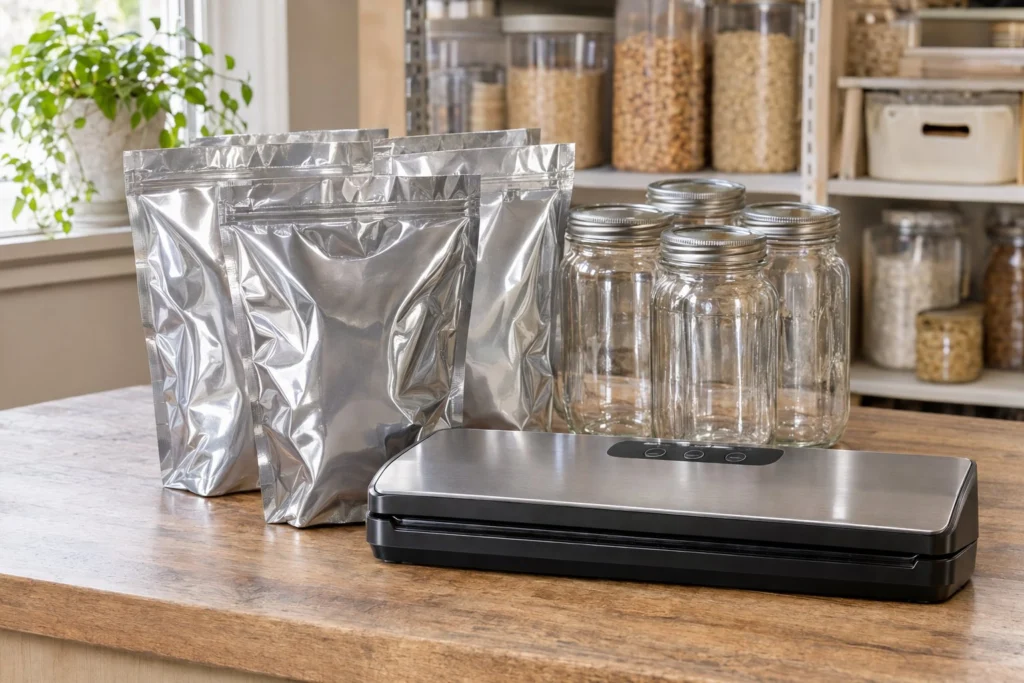
| Iowa State AnswerLine (June 13, 2023) | Mylar bags, vacuum-sealed canning jars, #10 cans, vacuum-sealed bags, then PETE re-sealable containers |
| Arizona Extension (Feb 2025) | #10 cans and Mylar bags with oxygen absorbers for long term; canning jars with two-piece lids and an absorber or vacuum-sealer lid attachment for medium or long term; resealable jars or containers for use within a month, with no absorber needed |
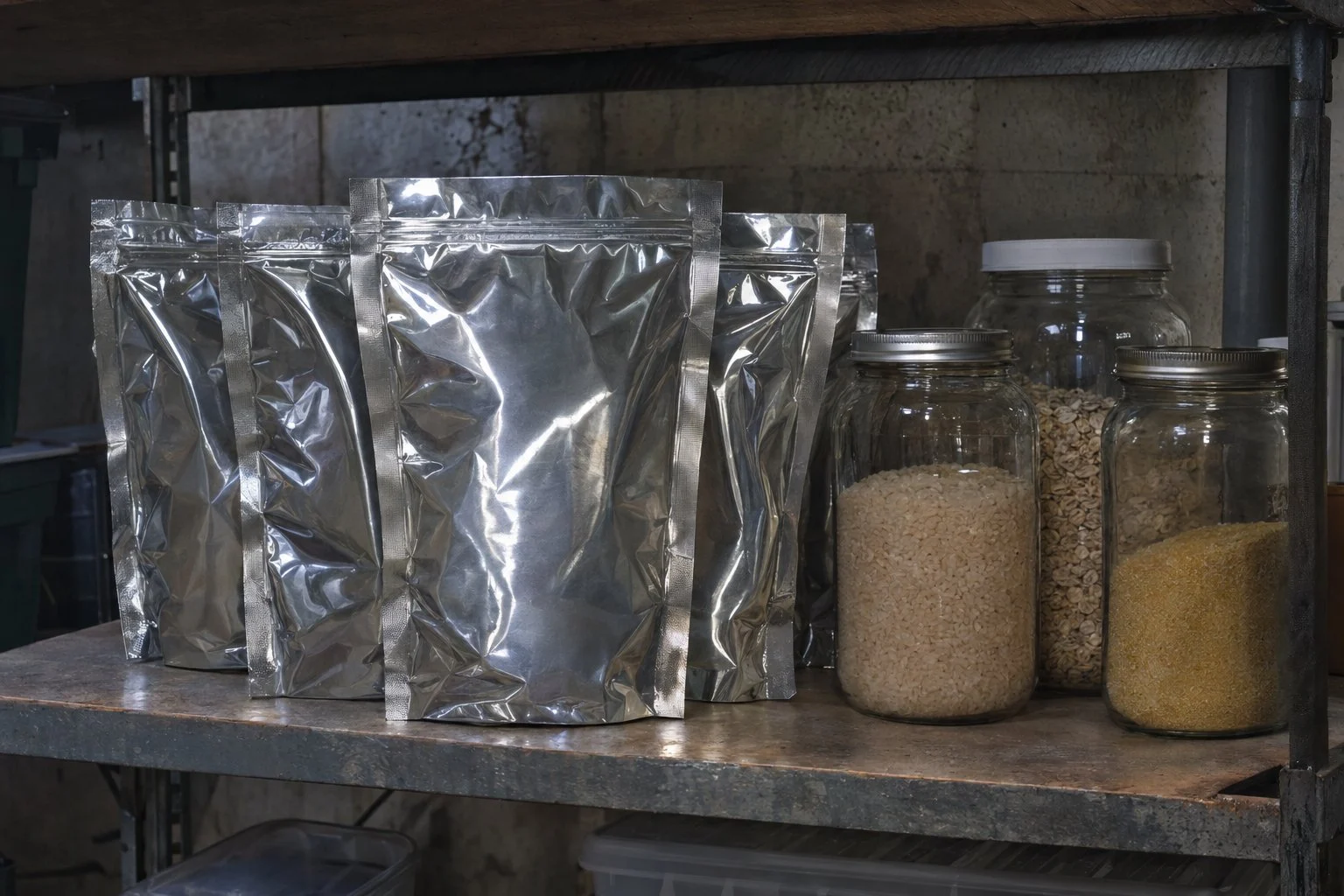
The two lists do not match, so we show both rather than merge them. Iowa State says the container must eliminate oxygen, light and moisture, prefers opaque silver Mylar, and says Mylar bags with a clear side are not long-term airtight. It says vacuum bags and re-sealable containers have short-term oxygen barrier qualities. Arizona says to keep Mylar bags in a tote or bucket against pests.
For vacuum bags, see our guides to reusing vacuum sealer bags and a vacuum sealer that will not seal.
Do You Need Oxygen Absorbers?
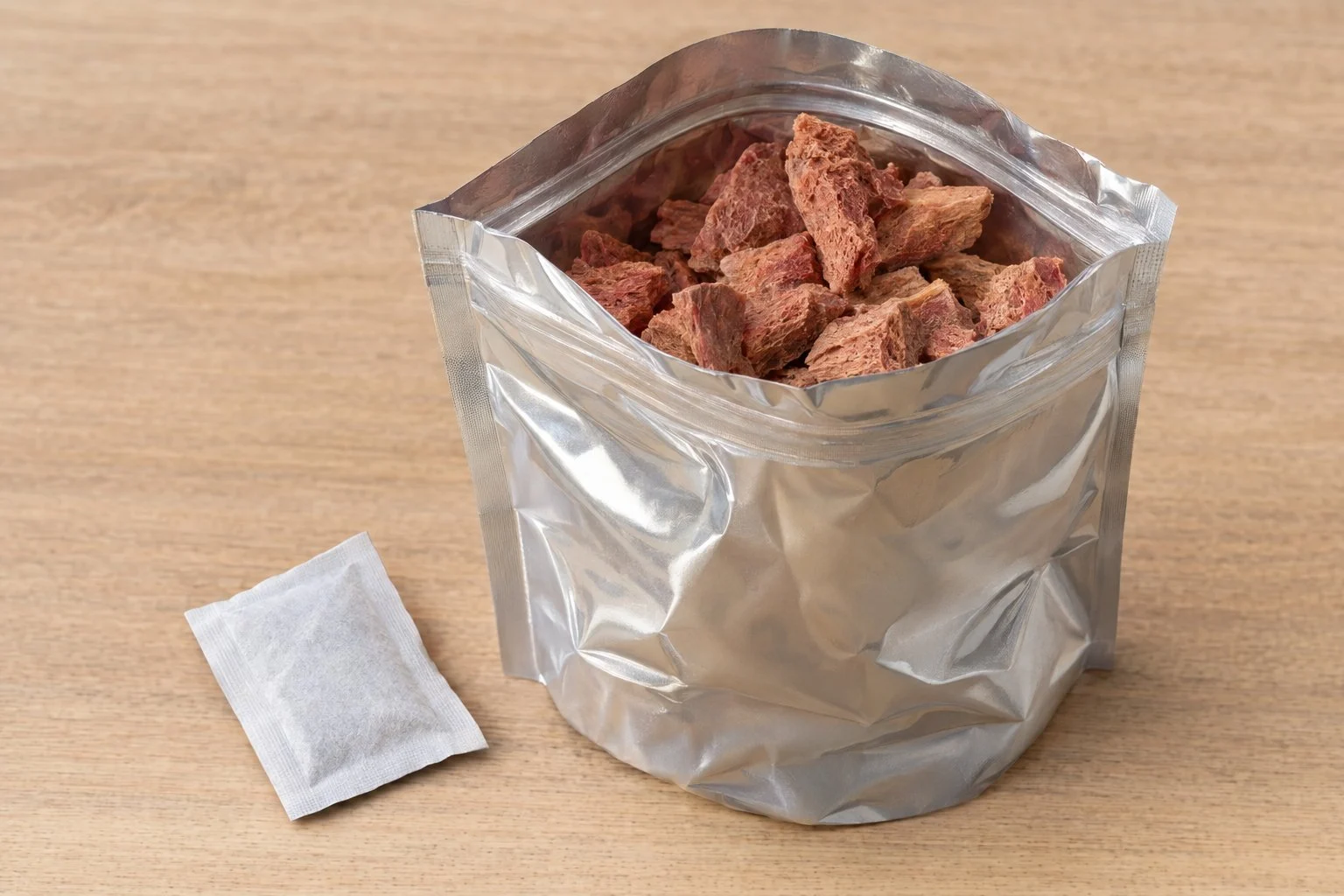
Iowa State says to use an oxygen absorber, not a desiccant. Ohio State says food stored no more than a few months can go in containers or jars without absorbers, and that for long-term storage oxygen absorbers are required. Arizona says no absorber is needed in a resealable container if you will use the food within a month.
| Container | Arizona (Feb 2025) | Ohio State, quoting Utah State |
|---|---|---|
| 1 quart | 100 cc | 50 cc |
| 1 gallon | 1 to 300 cc | 300 cc (also #10 can) |
| 2 gallons | 2 to 500 cc, or 1000 cc | Not listed |
| 5 gallons | 3 to 1000 cc | Three 500 cc packets |
The quart figures differ, so follow the chart from the absorber maker, which we did not open. Ohio State says to use purchased absorbers within 6 months to 1 year and to keep unused ones in an airtight glass jar for up to 6 months. Iowa State says absorbers start to absorb once exposed to air. See Ohio State for the full text.
How Do You Pack a Batch?
- Pick the container by how long you will store the food (Arizona).
- Package the food promptly so it does not take up moisture (Utah State).
- For long-term storage, add an oxygen absorber sized to the container (Arizona, Ohio State).
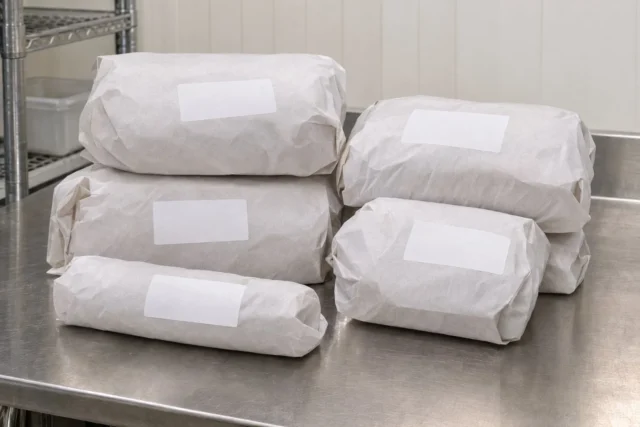
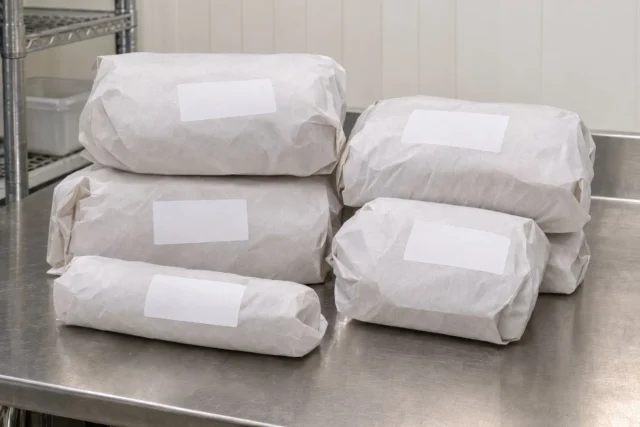
- Seal it, label it with the date, raw or cooked, and the product (Ohio State).
- Keep Mylar bags in a tote or bucket against pests (Arizona).
Where and at What Temperature?
Arizona az2097b gives the optimal storage temperature for most freeze-dried foods as 32°F to 75°F. Arizona az2097a, a different page in the same series, says dried food keeps best quality below 60°F and is at risk of deteriorating much faster above 80 to 90°F. We show both and give no single number. Arizona az2097b also says any exposure to light or moisture can cause harm.
How Long Does Freeze-Dried Meat Last?
| Source | Claim |
|---|---|
| Utah State (May 15, 2026) | Several years when properly packaged and stored |
| Arizona (Jan 2025) | Some freeze-dried foods can last up to 25 years in Mylar bags or #10 cans with oxygen absorbers; the footnote cites the machine maker, Harvest Right |
| Iowa State (June 13, 2023) | Supposedly a 25-year shelf life under proper storage conditions |
No page we opened gives a shelf life for meat specifically. Ohio State and Arizona give shorter times for containers without absorbers: a few months, and a month. Iowa State also notes that very little university research has been done on in-home freeze drying.
SAFETY: Utah State Extension says moisture can reactivate dormant bacteria. If freeze-dried meat has taken on moisture, we do not give a test for it; extension pages we opened give no spoilage signs. Raw meat must be fully cooked after rehydrating.
How Do You Label It?
Ohio State says to label with the date, the preparation method (raw or cooked) and the product. See how to label frozen meat for label ideas, and how long vacuum-sealed meat lasts in the freezer for frozen meat, which the extension pages above do not cover.
What Do the Sources Not Say?
- A shelf life for freeze-dried meat specifically.
- How fat in meat affects storage time.
- How many absorbers a meat batch needs beyond the container tables above.
- Signs that freeze-dried meat has gone bad.
Freeze-Dried Meat Storage: Quick Answers
Can I store freeze-dried meat in a zip bag?
Iowa State says vacuum bags and re-sealable containers have only short-term oxygen barrier qualities, and Arizona suggests resealable containers for food you will use within a month.
How many oxygen absorbers per bag?
Arizona lists 100 cc for a quart and 1 to 300 cc for a gallon; Ohio State, quoting Utah State, lists 50 cc for a quart and 300 cc for a gallon. Check the absorber maker’s chart.
Does freeze-dried meat need the freezer?
No page we opened says to store it in the freezer; they describe cool, dry, dark storage.
How do I know it has gone bad?
No page we opened gives signs, and we do not give a test. Utah State says moisture can reactivate bacteria, so keep it sealed.