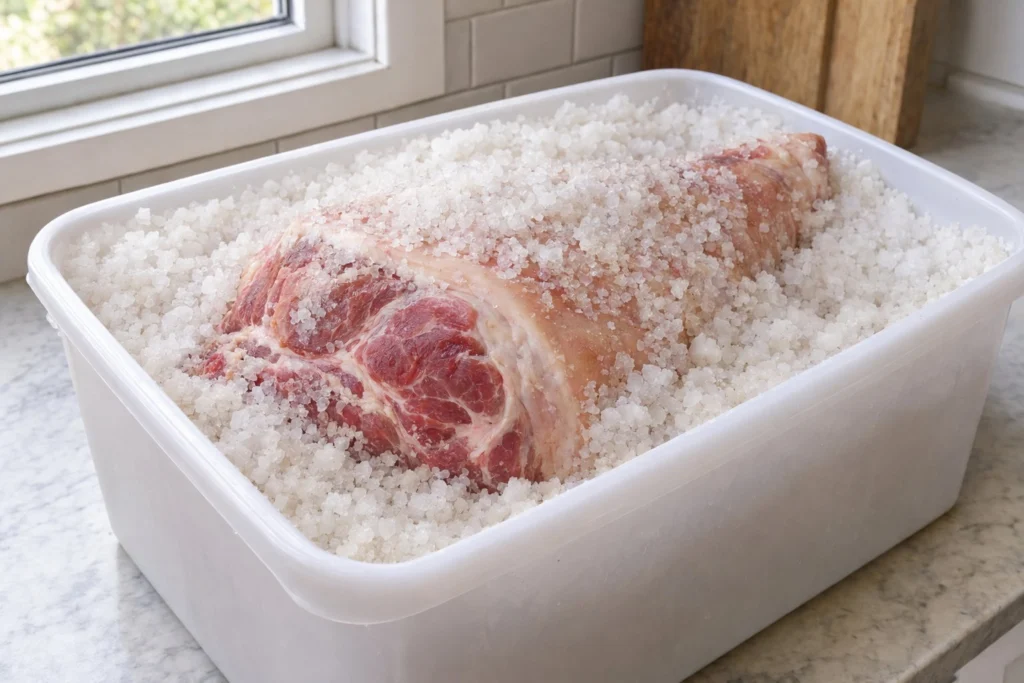
Dry curing a ham means salt-curing it for weeks, then drying it. Virginia Tech, Kentucky and Mississippi State extension give different cure times (7 days per inch, or 2 days per pound) and temperature ranges (32 to 40°F, 36 to 40°F). Mississippi State does not promote aging dry-cured meat at home. Home-cured ham cannot be sold.
This is a comparison of three extension guides, not a recipe. We leave out cure quantities and nitrate or nitrite amounts on purpose, because the guides disagree and the amounts are safety-critical. Use the full publication for your method.
What Is a Dry-Cured Ham?
The University of Kentucky guide (issued March 2014) says country ham is the dry-cured hind leg of a pig and that the method comes from before mechanical refrigeration. The Virginia Tech publication (2011) covers Virginia-style hams, and Mississippi State’s “Curing Pork Products at Home” (2022) covers dry-cured products more broadly. To cook a ham on a smoker, see how to smoke a ham. For the Italian dry-cured ham, see is prosciutto raw.
How Long Does a Ham Take to Cure?
| Source | Cure time | Based on |
|---|---|---|
| Virginia Tech (2011) | 7 days per inch of cushion depth, or 1½ days per pound of ham | Thickness or weight |
| University of Kentucky (2014) | 2 days per pound of ham; another rule of thumb is 60 days | Weight, or a fixed time |
| Mississippi State (2022) | 7 days per inch of thickness; a ham 5 inches at the thickest part takes 35 days | Thickness |
The three guides use different bases, so we do not pick one. Mississippi State also says products cured for just 2 to 3 weeks, for example to freeze afterward or reduce salt, will not be totally dry cured. Virginia Tech says to keep accurate records and mark the dates you place hams in cure and remove them.
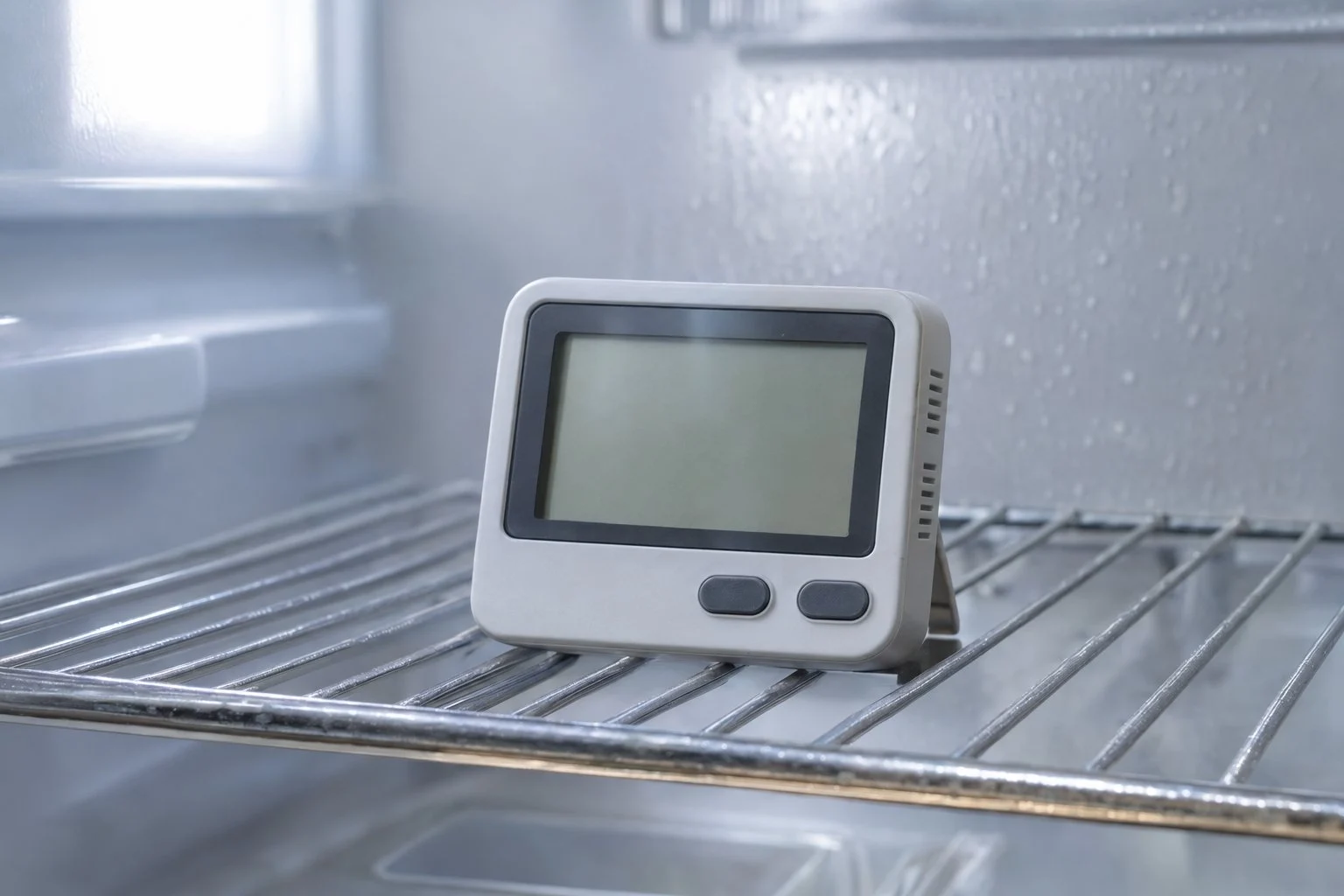
What Temperature Should a Curing Ham Stay At?
| Source | What it says |
|---|---|
| Virginia Tech (2011) | Continued temperature control of 36 to 40°F during curing is essential; early December is the best time to start under ambient conditions |
| University of Kentucky (2014) | The ham must stay cold, below 40°F. Do not panic until internal temperatures are consistently above 40°F to 45°F for 3 to 4 days in a row; then move the ham to a refrigerator |
| Mississippi State (2022) | The best temperature for curing meat is 32 to 40°F |
How Do You Plan a Cure Using These Guides?
- Measure the thickest part of the ham or weigh it, depending on which guide you follow.
- Work out the cure time with that guide’s own rule. SaltRail’s suggestion, not from the guides: keep to one guide’s numbers rather than mixing them.
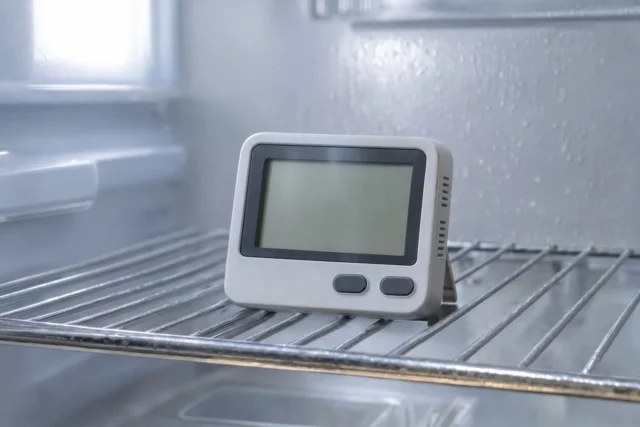
- Keep the ham cold the whole time; the pages give 36 to 40°F or 32 to 40°F, and Kentucky says below 40°F.
- Record the dates you place the ham in cure and take it out (Virginia Tech).
- Watch for warm spells; Kentucky says to move the ham to a refrigerator if internal temperatures stay above 40°F to 45°F for 3 to 4 days.
- Remember that a home-cured ham cannot be sold (Virginia Tech, Kentucky).
Sold by SaltRail: want this done for your own numbers? The Dry-Cure & Charcuterie Tracker ($7 spreadsheet) works out salt and cure in grams per piece, checks the cure against the USDA FSIS dry-cured limit, and tracks weekly weigh-ins. Weight loss is not a safety test, and the sheet says so.
Do You Need Nitrate or Nitrite to Cure a Ham?
The pages differ. Virginia Tech’s recipe lists saltpeter or sodium nitrite. Kentucky lists nitrate/nitrite as an ingredient, says to use it according to the manufacturer’s guidelines to avoid bodily harm, and says nitrate is typically used in dry curing. Mississippi State’s recipe lists sodium nitrate and sodium nitrite and says too much nitrate and nitrite can be toxic. We give no amounts. See our guide to Prague powder 1 vs 2 and our post on making bacon without nitrite.
SAFETY: Mississippi State says too much nitrate and nitrite can be toxic, and Kentucky says to follow the manufacturer’s guidelines to avoid bodily harm. Do not copy a cure amount from a blog; use the maker’s directions and the full extension publication.
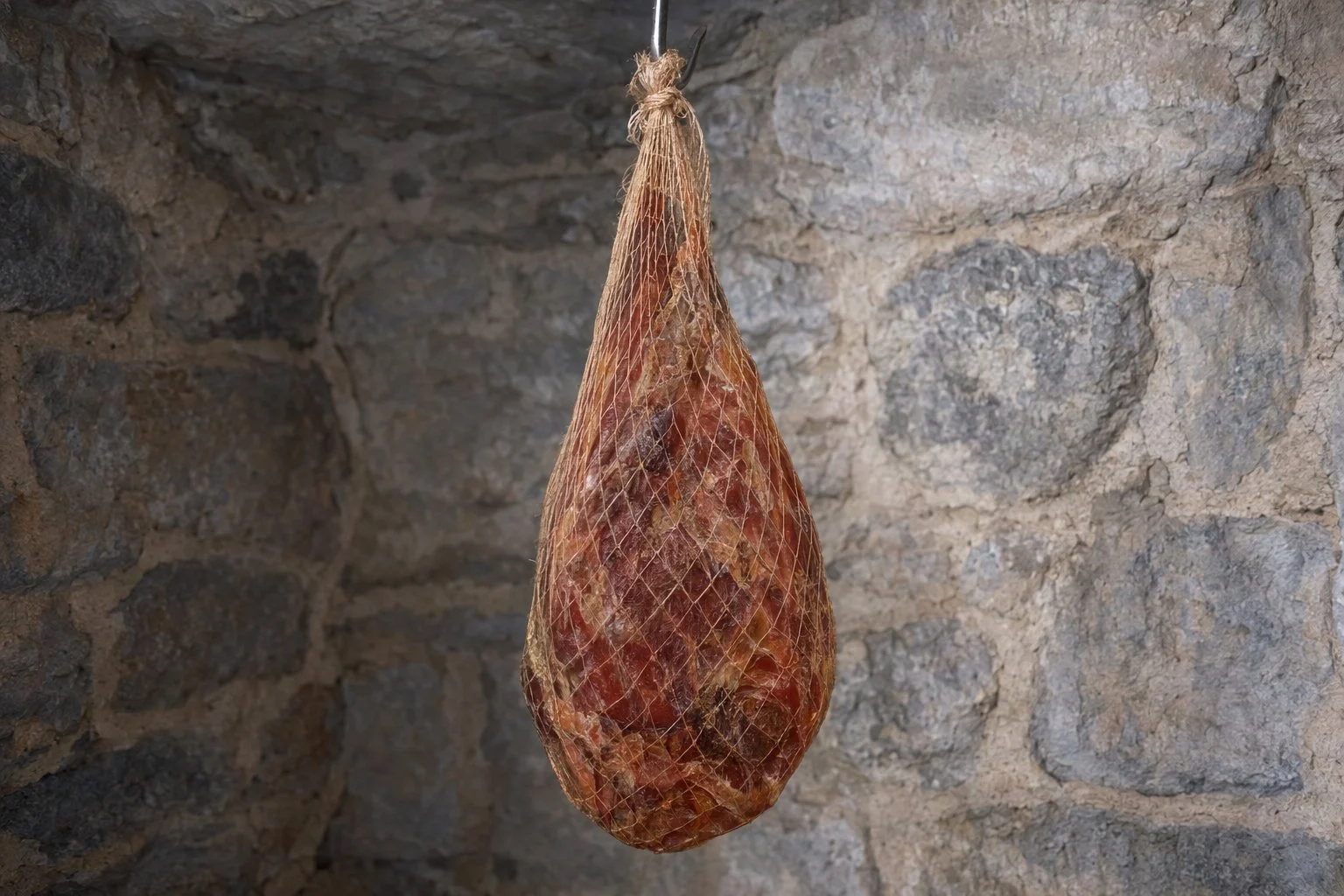
Is It Safe to Age a Ham at Home?
| Source | Position on aging |
|---|---|
| Virginia Tech (2011) | Describes an aging period after curing as the step that develops flavor; we do not repeat its schedule here |
| University of Kentucky (2014) | Describes summer aging; hams aged through summer (9 months or more) are preferred by experienced consumers. Professional curers keep relative humidity under 60% to control mold, and an amateur may not have the technology to control humidity |
| Mississippi State (2022) | Does not promote aging dry-cured meats at home, because weather in the southeast may cause aged products to be unsafe to eat |
We give no verdict. For the mold question only, see is white mold on salami safe to eat; salami is a different product. A fridge made for aging is covered in our dry-aging fridge guide.
Can You Sell a Home-Cured Ham?
No. Virginia Tech says it is against the law to sell uninspected home-cured hams either commercially or privately. Kentucky says country hams made at home cannot legally be sold to the public, and that only hams made in USDA-inspected facilities can be. We opened no state rules.
What Do the Sources Not Say?
- Safe cure quantities. We left them out deliberately.
- Moisture, pH or water activity targets, or a weight-loss endpoint.
- Anything from USDA or FSIS. All three pages are extension publications.
- State licensing rules.
Dry Curing a Ham: Quick Answers
How long should I cure my ham?
There is no single answer. Virginia Tech says 7 days per inch of cushion depth or 1½ days per pound, Kentucky says 2 days per pound or 60 days, and Mississippi State says 7 days per inch of thickness.
Can I cure a ham in the refrigerator?
Kentucky says to move a ham to a refrigerator when internal temperatures stay above 40°F to 45°F for 3 to 4 days. The ranges the pages give are 36 to 40°F (Virginia Tech) and 32 to 40°F (Mississippi State).
Can I sell it?
No. Virginia Tech and Kentucky both say home-cured hams cannot be sold.
Do I need a scale?
The pages give times by weight or thickness, so you need to measure one of them. See our guide to the best scale for curing meat.
Related: how to cure bacon and the best scale for curing meat.