There can be. Wisconsin, Michigan and Maine agencies say lead bullets can break apart and leave fragments in venison that are too small to see or feel, and grinding spreads them through the meat. Wisconsin and Maine agencies advise trimming generously around the wound, Wisconsin’s say to discard bruised or dirty meat, and Wisconsin DATCP says to grind in small batches. Lead-free bullets, such as copper, avoid the problem.
This guide compares four state documents: the Wisconsin DNR Safely Eating Venison page, the Wisconsin DATCP Safe Venison Handling fact sheet (February 2019), the Michigan MDHHS Eat Safe Wild Game page and the Maine Department of Inland Fisheries and Wildlife wild game consumption advisory. Each agency’s advice is shown as that agency’s. SaltRail gives no verdict of its own, and this is not medical advice.
How Does Lead Get Into Venison?
Wisconsin DNR says lead ammunition can break apart when it hits a deer, leaving tiny fragments in the meat that are often too small to see or feel while chewing. Michigan MDHHS says that if you harvest deer with high-velocity lead bullets, it is probable that there will be lead bullet fragments in your venison.
Maine IFW adds that lead bullets striking vital organs or soft tissue are less likely to fragment than lead bullets that strike bony areas such as the shoulders.
How Far Do Lead Fragments Spread?
| Source | What it says about fragment spread |
|---|---|
| Maine IFW | Lead fragments have been found as far as 18 inches from the wound channel, but most lead particles are near the shot area |
| Wisconsin DNR | Most fragments are found in the meat near the wound channel, but some can spread farther |
| Wisconsin DATCP | Some fragments found in venison samples were far from the wound channel and too small to see during processing |
That is why Wisconsin and Maine agencies tell you to trim more than you might expect. DATCP says to trim a generous distance away from the bullet wound channel, beyond what has been common practice.
Is Ground Venison Riskier Than Steaks?
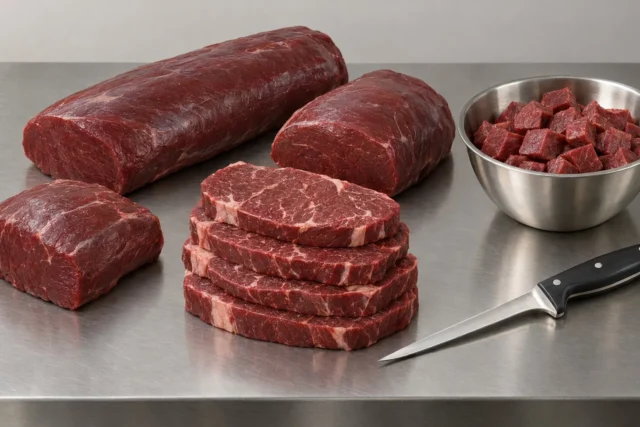
Michigan MDHHS says lead fragments can be mixed further into the venison during processing, so ground venison usually has more lead fragments than steaks and chops. Wisconsin DNR says grinding or processing can spread any fragments throughout the meat, and advises choosing whole cuts over ground meat if you don’t know how the deer was harvested.
If you grind, DATCP says not to use meat with excessive shot damage and to process small batches so you can check the grinder often and remove lead fragments. Our guides on how to grind venison and how to clean a meat grinder cover the rest of the job.
Who Is Most at Risk?
| Source | Groups it names |
|---|---|
| Wisconsin DNR | Children under six years old and pregnant women face the highest risk |
| Maine IFW | The risk should be considered particularly for children, and for women who are nursing, pregnant or considering becoming pregnant |
DATCP says the risk depends on the amount and frequency of venison consumption, and that lead does not always cause outward signs of illness in people.
Can You Get Lead Poisoning From Venison?
The agencies describe the evidence differently, and SaltRail does not choose between them:
- Maine IFW: to date, there have not been any cases of human illness linked to lead particles in hunter-harvested venison or game meat.
- Wisconsin DATCP: no one has linked human health effects to lead in venison, but the amount found in some samples suggests lead poisoning could occur in people who regularly eat venison shot with lead ammunition.
- Wisconsin DNR: lead is toxic to humans, even in very low amounts.
SAFETY: If you hunt with lead ammunition, Wisconsin and Maine agencies advise generous trimming around the wound channel. Wisconsin DNR and DATCP say to discard meat that is bruised or discolored, or that contains hair, dirt, bone fragments or grass. Take extra care with venison for young children and for anyone who is pregnant, as Wisconsin DNR and Maine IFW say.
How Do You Reduce Lead in Your Venison?
A checklist from shot to plate, built from the four documents:
- Choose the ammunition. Wisconsin DNR says lead-free bullets, such as copper, are the best way to eliminate any risk from lead ammunition. If you use lead, it suggests bonded bullets, controlled-expansion bullets, shotgun slugs or muzzleloader bullets, which fragment less. Maine also names controlled-expansion bullets.
- Place the shot. Wisconsin DNR says to practice with your firearm, avoid hitting bone, and shoot only from a good rest when the deer is broadside and still, not running. Maine says bony areas such as the shoulders cause more fragmenting.
- Trim generously. Cut well away from the wound channel (Wisconsin DNR, DATCP, Maine).
- Discard damaged meat. Throw out meat that is bruised, discolored or contains hair, dirt, bone fragments or grass (Wisconsin DNR, DATCP).
- Go easy on rinsing. Wisconsin DNR says to minimize rinsing around the wound channel, because rinsing can spread lead fragments.
- Grind with care. Leave heavily shot meat out of the grind and work in small batches so you can check the grinder (DATCP).
- Think about the organs. Wisconsin DNR says to avoid eating internal organs, which can contain extra lead from heart or lung shots.
For the field and butchering steps, see how to field dress a deer and how to butcher a deer. For other reasons states warn about organs, see is deer liver safe to eat.
Do Lead-Free Bullets Solve It?
Wisconsin DNR calls lead-free bullets, such as copper, the best way to eliminate any risk from lead ammunition. Maine IFW says you can avoid lead completely by choosing non-lead bullets, which it says are often made of copper and now offer similar performance to premium lead ammunition at a comparable price. That price comparison is Maine’s; SaltRail adds none. Michigan MDHHS points hunters to ammunition alternatives that will not leave lead fragments in the meat.
What Do the Sources Not Say?
None of the four documents gives a safe amount of lead in venison, a blood-lead figure, or a list of symptoms. None says whether cooking removes lead. None names specific ammunition brands. The Wisconsin DNR and Michigan MDHHS pages carry no publication date. For a different deer safety question, see is venison safe to eat with CWD.
Frequently Asked Questions
Can you get lead poisoning from eating venison?
Maine IFW says no human illness has been linked to lead particles in hunter-harvested venison. Wisconsin DATCP says no one has linked health effects, but some samples suggest lead poisoning could occur in people who regularly eat venison shot with lead.
How much meat should you trim around a bullet wound?
None of the agencies gives an exact amount. Wisconsin DATCP says to trim a generous distance away from the wound channel, beyond common practice, and Maine IFW says fragments have been found as far as 18 inches from it.
Does cooking remove lead from venison?
None of the agency pages opened for this post says that cooking removes lead. Their advice is to reduce lead before cooking, through ammunition choice, shot placement and generous trimming.
Are copper bullets safer for venison?
Wisconsin DNR says lead-free bullets, such as copper, are the best way to eliminate any risk from lead ammunition, and Maine IFW says non-lead bullets let you avoid lead completely.
Should you rinse the wound channel?
Wisconsin DNR says to minimize rinsing around the wound channel, because rinsing can spread lead fragments.
Grinding this season? Our venison burger fat ratio guide covers the mix.
This is general information based on state wildlife, agriculture and health agency advice. It is not medical advice. When in doubt, follow the sources linked above.