To clean a duck, remove the entrails and crop soon after the shot and cool the bird below 40°F. At home, cut off the wings at the joints and remove the head, then pluck the feathers dry or after a scald in 145°F water, and dip the bird in a paraffin wax and hot water mix to lift the down. You can also skin it. Chill the bird and use it within three days, or freeze it (Clemson Extension).
This guide uses Clemson Cooperative Extension’s Safe Handling of Wild Game Birds (HGIC 3515, revised January 10, 2024), which has duck-specific lines on plucking, soaking and roasting. NDSU Extension’s game bird pocket guide (FN537, reviewed August 2022) carries the same field-care advice, so it confirms Clemson rather than adding a separate view, and it differs on one point: how long frozen birds keep. Neither source gives duck-specific steps for gutting or breasting out a bird; this post says where that gap is. For breasting doves, see how to clean a dove.
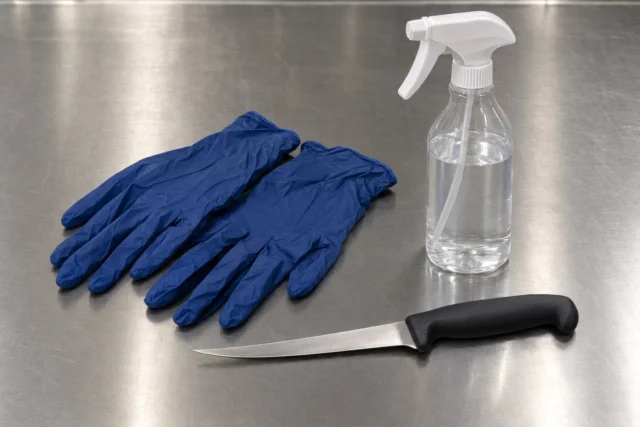
What You Need
Clemson and NDSU list the same field kit for game birds:
| Item | What it is for | Source |
|---|---|---|
| Sharp hunting knife and a steel or whetstone | Field dressing and cleaning | Clemson, NDSU |
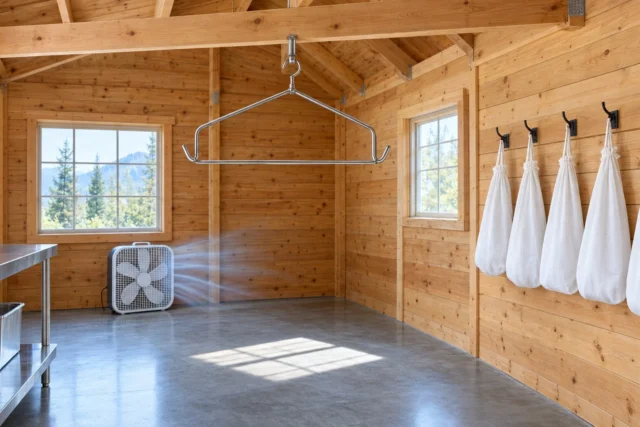
| Light rope or nylon cord | Hanging birds so air can circulate | Clemson, NDSU |
| Plastic bags | Giblets, and single birds on ice in hot weather | Clemson, NDSU |
| Clean cloths or paper towels | Wiping out the body cavity | Clemson, NDSU |
| A cooler filled with ice | Keeping birds cold on the way home | Clemson, NDSU |
| Latex or rubber gloves | Worn when field dressing and cleaning birds | NDSU |
SaltRail’s suggestion: if you scald at the 145°F Clemson gives, a thermometer helps you hold the water there. See how to calibrate a meat thermometer before you rely on one.
How Do You Clean a Duck, Step by Step?
These steps follow Clemson’s order, from the field to the freezer. For the general way to open a game bird and remove the entrails, our guide on how to clean a wild turkey walks through the cuts.
- Field dress the bird promptly. Clemson says to remove the entrails and crop as soon as possible, because grain in the crop may ferment if it is left in. The heart and liver can be saved for giblets; store them in a plastic bag on ice.
- Leave an identification mark. Birds may be plucked or skinned in the field, but Clemson says to leave an identification mark on the bird as your state’s game regulations may require.
- Cool the carcass quickly. Clemson says a temperature above 40°F is meat’s worst enemy. Wipe out the cavity with a clean cloth or paper towel, not grass or snow, which contaminate the carcass. Hang or lay the bird where air can circulate.
- Keep birds apart and on ice. In hot weather, Clemson says to bag birds individually and put them on ice, and not to pile warm birds together. Store them in a cooler on ice out of the sun.
- Transport them in the car, not the trunk. If you cannot use a cooler, Clemson says to keep the car well ventilated and put birds on the back seat or floor, because a trunk does not let heat escape.
- Clean your tools. Before processing, wash your hands, knife and cutting board with hot, soapy water and rinse them well (Clemson).
- Remove the wings and head. Clemson says to prepare ducks by cutting the wings off at the joints and removing the head.
- Pluck or skin the bird. Pluck the feathers, scald the bird in 145°F water to loosen them, or skin it. The next section compares the options.
- Remove the pinfeathers and down. Clemson says to pluck out the pinfeathers, and that pinfeathers and down can be removed by dipping the feathered bird in a paraffin wax and hot water mix, letting the wax harden and scraping the feathers off.
- Cut out bloody spots and package the bird. Clemson says packaging parts instead of the whole bird lets you cut or rinse out bloody spots with cold water. Then refrigerate or freeze it, as shown below.
SAFETY: Clemson and NDSU say to keep birds below 40°F. NDSU says to wear latex or rubber gloves when field dressing and cleaning birds and not to harvest or eat sick or abnormal-acting birds. Clemson says to cook all poultry to 165°F, checked with a thermometer in the thickest part of the thigh, because color and texture alone are not reliable.
Should You Pluck, Wax or Skin a Duck?
Clemson gives these methods but does not rank them. The last column is SaltRail’s reading of Clemson’s cooking advice, not a source claim.
| Method | What Clemson says | What it means for cooking |
|---|---|---|
| Dry plucking | Pluck out the feathers and pinfeathers | Keeps the skin and fat |
| Scald, then pluck | Feathers may be removed by scalding the bird in hot water (145°F) | Keeps the skin and fat |
| Paraffin wax | Dip the feathered bird in a paraffin wax and hot water mix; when the wax hardens, scrape the feathers off | Removes pinfeathers and down; keeps the skin |
| Skinning | Birds may be plucked or skinned in the field | Removes the skin and fat; Clemson says to cover lean or skinned ducks with bacon or salt pork when roasting |
The 145°F scald is the figure Clemson and NDSU give for ducks. For turkeys, the National Wild Turkey Federation uses nearly boiling water, as our wild turkey guide shows. Clemson gives no wax temperature or wax-to-water ratio.
Do You Need to Soak a Wild Duck?
Clemson says fish-eating ducks, the ones with pointed or serrated bills, may need soaking or marinating in a marinade high in acid, such as lemon or lime juice, vinegar, wine or buttermilk. For older birds, it gives a soak of ½ teaspoon salt and 1 tablespoon vinegar per quart of cold water, for 4 to 12 hours in the refrigerator.
Clemson also says to trim off as much fat as possible to reduce the distinctive taste of some wild game. For more on mild flavor with game meat, see how to get the gamey taste out of venison.
How Long Does a Cleaned Duck Keep?
| Storage | Clemson | NDSU |
|---|---|---|
| Refrigerator | 40°F or less; use within three days | 40°F or lower; use within three days |
| Freezer | 0°F or lower; use within 6 months for best quality | 0°F or lower; use within a year |
| Aging | Not required; two to three days just above freezing may increase tenderness | Same advice |
| Thawing | In the refrigerator or microwave; 12 to 18 hours in the refrigerator helps tenderize the meat. Cook microwave-thawed birds right away | In the refrigerator or microwave |
The two guides disagree on freezer time, 6 months against a year, so both are shown. Clemson says not to freeze birds before they are plucked and cleaned. Use moisture- and vapor-proof wrap, such as heavily waxed or laminated freezer wrap, heavy-duty foil or freezer-weight bags, press out as much air as possible, and label each pack with its content and date. For the folds, see how to wrap meat in freezer paper, and for marking packs, how to label frozen meat.
How Should You Cook Wild Duck?
Clemson says wild duck meat is darker and somewhat drier than domestic duck. Young birds have lighter legs, soft breastbones and flexible beaks, and suit dry cooking such as frying; old birds have darker, hard-skinned legs, brittle breastbones and inflexible beaks, and suit moist cooking such as stewing or braising.
When roasting or broiling ducks, Clemson says to use a rack to keep them out of their own fat and not to baste with fat. Its roast wild duck recipe bakes the birds on a rack in a covered pan at 325°F for three hours or until the internal temperature is 165°F. Use leftovers within one or two days, or freeze them.
Common Problems and Fixes
- Down and pinfeathers will not come out: Clemson’s paraffin wax dip lifts them once the wax hardens.
- The bird tastes fishy: Clemson says fish-eating ducks may need an acid marinade or soak.
- An older bird is tough: cook it with moist heat, and consider Clemson’s salt and vinegar soak.
- Bloody spots in the meat: cut the bird into parts so you can cut or rinse them out with cold water (Clemson).
- Birds got warm on the drive: next time, use a cooler on ice, or the back seat or floor with good airflow, never the trunk (Clemson).
What Do the Sources Not Say?
Neither Clemson nor NDSU gives duck-specific steps for gutting or breasting out a bird, a wax temperature or a wax brand. Neither covers diseases in wild ducks. For bag limits, tagging and transport rules, check your state wildlife agency. For parasites in game meat, see does freezing kill parasites in wild game.
Frequently Asked Questions
What temperature water do you use to scald a duck?
Clemson Extension and NDSU Extension say feathers may be removed by scalding the bird in hot water at 145°F. Pinfeathers and down can then be removed with a paraffin wax and hot water dip.
Can you freeze a duck with the feathers on?
Clemson Extension says not to freeze birds without plucking and cleaning them first. Freeze the cleaned whole bird or its parts at 0°F or lower.
How long can you keep a cleaned duck in the fridge?
Clemson and NDSU say to store birds at 40°F or lower and use them within three days. For longer storage, freeze them.
Do you need to age ducks?
Clemson and NDSU say birds generally do not require aging. If you want to, holding them just above freezing for two to three days may increase tenderness.
What temperature should wild duck be cooked to?
Clemson Extension says all poultry must reach 165°F to be safe, measured with a thermometer in the thickest part of the thigh.
Cleaning chickens or other birds at home too? Our guide on how to butcher a chicken covers the scald-and-pluck setup.
This is general guidance based on university extension recommendations. When in doubt, follow the sources linked above and your state’s game regulations.