Most gamey taste in venison comes from the deer’s fat, so the main fix is to trim it off and add pork or beef fat if the meat turns dry. Then field dress and cool the deer fast, cut away bloodshot meat, and treat marinades as a way to mask flavor. Marinate only in the refrigerator.
To get the gamey taste out of venison, trim away the deer fat, silver skin and bloodshot meat, then add pork or beef fat to ground meat for juiciness. After reading, you can work through a deer from field to pan and fix strong flavor at each stage. You also get the freezer-time figures where extension guides disagree, plus a plain answer on milk soaks.
What You Need
You need two kinds of supplies. The first is gear that keeps deer meat cold and lets you trim it cleanly. The second is the fat and marinade ingredients that restore juiciness and adjust flavor.
Equipment for Clean Trimming and Cold Handling
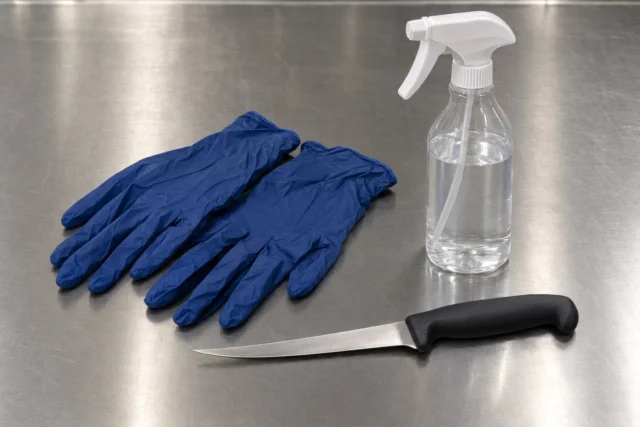
Cold meat trims cleanly and stays safe. Warm meat smears and spoils faster. Set up this gear before the deer comes home:
- A sharp boning knife and a steel or whetstone.
- Ice for chilling. Penn State’s pocket guide lists ice packs, ice-filled milk jugs or bagged snow.
- Disposable gloves and clean paper towels. Dry towels help keep the meat surface dry.
- A refrigerator thermometer. You need to confirm your fridge holds below 40°F.
- An instant-read meat thermometer for the final cook.
- A meat grinder if you plan to make ground venison or sausage.
- Resealable bags or a vacuum sealer for marinating and freezing.
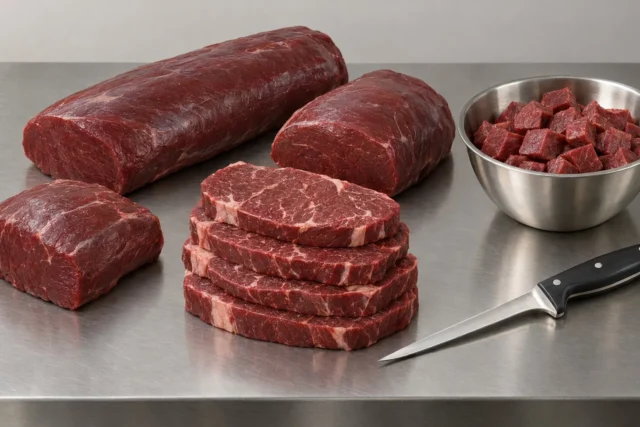
For whole cuts like backstrap and tenderloin, the knife and the cold matter most. For ground venison, the grinder and a cold setup carry more weight.
Ingredients for Added Fat and Optional Marinades
Deer fat is the problem. Fat from another animal is the fix. You will need:
- Pork fat or beef fat for grinding, such as pork back fat or beef trim. Sourcing it is covered in where to buy beef fat for venison.
- Optional marinade base. New Mexico State University Extension lists four types: vinegar, French dressing, tomato juice or fruit juice.
- Your usual seasonings, such as salt, pepper, garlic and herbs.
SaltRail’s arithmetic, not a source figure: work the fat amount out by weight.
- Decide your target fat share. For example, 20% fat.
- Multiply the total batch weight by that share. A 5 lb batch × 0.20 = 1 lb fat.
- Subtract the fat to get the venison weight. 5 lb − 1 lb = 4 lb venison.
That example shows the method. It is not a recommended ratio. The venison burger fat ratio guide covers common blends by use.
Follow These Steps From Field to Pan
Gamey flavor builds or drops at seven points: field dressing, cooling, aging, trimming, adding fat, marinating and cooking. Each step below gives the action, then the reason.
Step 1: Field Dress Promptly to Release Body Heat
Field dress the deer as soon as you can. Penn State Extension says to field dress deer as soon as possible to ensure rapid loss of body heat, prevent surface bacteria from growing and maintain overall quality of the meat. For the steps in order, see how to field dress a deer.
Wear disposable gloves while you work. If the shot hit the gut, Penn State says to trim all visible feces or ingesta with a clean knife.
Step 2: Cool the Carcass Quickly to Protect Meat Quality
Get the carcass cold fast. NDSU Extension says to bleed, field dress and cool the carcass promptly, and that improper temperature is meat’s worst enemy.
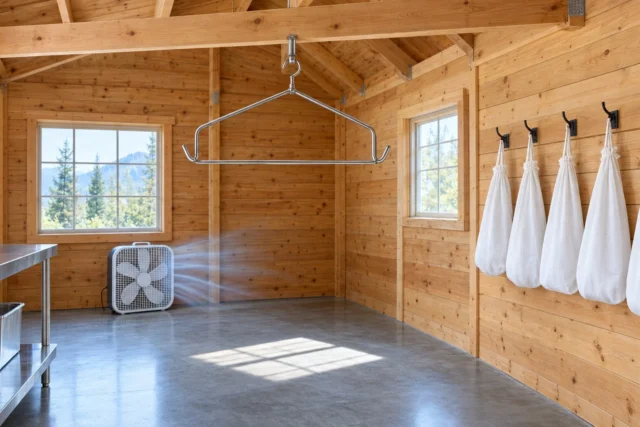
Penn State’s pocket guide says to refrigerate the carcass below 40°F as soon as possible, and it lists ice packs, ice-filled milk jugs or bagged snow for chilling. Details on ice placement and hanging are in how to cool a deer carcass.
Keep the meat dry. NMSU Extension notes that meat sours rapidly when warm and moist.
Step 3: Consider Controlled Aging for Whole Cuts Only
Age only whole cuts, and only when you can hold the temperature steady. NDSU Extension defines aging as 34 to 37°F for 10 to 14 days. It also says 2 to 3 days on the carcass is sufficient, and that aged meat is often more tender and flavorful.
Skip aging in three cases:
- The meat is headed for sausage or ground venison. NDSU calls aging unnecessary there.
- The carcass has little or no fat covering. NDSU does not recommend aging these.
- You cannot hold 34 to 37°F the whole time.
Hang times and setups are covered in how long to hang a deer.
Step 4: Trim Deer Fat, Silver Skin, and Bloodshot Areas
This is the step that does the most. NDSU Extension says the distinctive flavor of game is mainly due to the fat. NMSU adds that game fat tends to become rancid quickly.
Silver skin is the thin, shiny connective membrane on venison muscles that stays tough when cooked and holds trapped fat.
Trim in this order:
- Remove all outside fat from every cut. Leftover fat carries the strongest flavor.
- Peel the silver skin off the backstrap, tenderloin and roasts. It turns chewy and holds fat. The knife angle is shown in how to remove silver skin from venison.
- Cut away bloodshot and badly bruised meat. NMSU says this prevents extensive spoilage.
- Keep the meat cold as you work. Return trimmed cuts to the fridge in batches.
Step 5: Add Other Fat When Grinding for Juiciness
Replace the deer fat you removed with pork or beef fat. UConn Extension puts it plainly: the majority of “gamey” flavor comes from fat, and a sausage with no fat will be dry and unpalatable. It also says to remove all external fat before grinding.
Weigh the venison and fat using the math from the ingredients list. Chill both until firm, then grind. Grinder setup and plate choice are in how to grind venison.
Step 6: Marinate in the Refrigerator to Adjust Flavor
Marinate only in the refrigerator, never on the counter. Both NDSU and NMSU say this. The two guides describe the job differently, though:
| Source | What marinades do | Time given |
|---|---|---|
| NDSU Extension | Mask the gamey flavor | None given |
| NMSU Extension | Tenderize or enhance game flavor | At least 24 hours, in the fridge |
Either way, a marinade covers or changes the flavor. It does not remove the cause. SaltRail’s suggestion: use a sealed bag and throw out used marinade.
Step 7: Cook With a Thermometer, Not by Color
Use an instant-read thermometer for every cook. Check that your thermometer reads true with how to calibrate a meat thermometer.
SAFETY: Extension guides give different minimum cooking temperatures for venison. The USDA FSIS figures for whole cuts and ground meat are listed in how to butcher a deer.
Troubleshooting Strong Flavor and Dry Meat
Most problems at the table trace back to four causes: fat left on, damaged tissue, a lean grind, or a taste preference. This table matches each cause to its fix.
| Cause | Fix | Source |
|---|---|---|
| Slow field dressing | Field dress at once | Penn State Extension |
| Warm carcass | Cool below 40°F fast | Penn State Extension |
| Fat left on | Trim it all | NDSU, NMSU, UConn |
| Bloodshot meat | Cut it away | NDSU, NMSU |
| Flavor preference | Marinate in the fridge | NDSU, NMSU |
| Dry meat after trimming | Add pork or beef fat | NDSU, UConn |
Waxy or Strong-Tasting Fat: Trim Before Cooking
NDSU says the distinctive flavor of game meat is mainly due to the fat. Our guide on how to grind venison notes that deer fat tastes waxy and gamey once cooked.
SaltRail’s suggestion: trim every white layer before cooking, including the fat between muscle groups on roasts. Pull cuts from the fridge one at a time so the fat stays firm.
Bloodshot Areas: Cut Away Damaged Tissue
NDSU says to remove bloodshot areas, and NMSU says to cut away bloodshot and badly bruised areas to prevent extensive spoilage.
NDSU advises using as little water as possible, since damp meat spoils faster than dry meat. Pat the cut dry and move on.
Dry Burgers: Review the Added-Fat Blend
Dry, crumbly deer burgers mean the blend is too lean. Trimming removed the fat, so you have to add it back.
SaltRail’s suggestion: raise the added-fat share in your next batch, using the weight math above, and keep the fat and meat cold through grinding.
Flavor Still Too Strong: Adjust Seasoning, Not Safety
If clean, trimmed meat still tastes too wild for you, change the seasoning. Use a fridge marinade, bolder spices, or blend the meat into sausage. The sausage making category covers seasoned blends.
Don’t undercook to soften the flavor; the cooking temperatures are in how to butcher a deer. For venison specifically, see what temperature to cook venison.
What Can You Do if the Venison Is Already Frozen?
Once the deer is cut and frozen, field care is behind you. Three fixes still work on thawed venison: trimming, marinating and adding fat. Thaw safely first; NDSU says to thaw game in the refrigerator or the microwave. Vacuum-sealed packs are covered in how to thaw vacuum sealed meat.
What Trimming, Marinades, and Added Fat Can Still Change
These are the fixes you can still use:
- Trim again after thawing. Fat and silver skin missed at processing come off easily on partly thawed meat.
- Marinate in the fridge. NMSU’s 24-hour minimum fits a fridge thaw schedule.
- Regrind with added fat. Turn strong steaks or ground venison into burger or sausage with pork or beef fat.
Some things are too late to change. A slow cool or a late field dressing cannot be undone. SaltRail’s suggestion: throw out meat that smells off after thawing.
Why Freezer-Quality Recommendations Differ
Freezer times for game vary widely between extension guides. They are quality limits; USDA FSIS says frozen food stays safe, as covered in how long vacuum sealed meat lasts in the freezer.
| Source | Frozen game keeping time (quality) |
|---|---|
| NDSU Extension | 3 to 4 months, properly wrapped |
| NMSU Extension | 6 to 8 months maximum |
| K-State Extension | 9 to 12 months, properly wrapped |
NDSU and K-State both give their figures for game that is properly wrapped. SaltRail’s suggestion: eat the oldest packages first.
Frequently Asked Questions
Does soaking venison in milk or salt water work?
None of the extension guides used for this article recommends soaking venison in milk, buttermilk or salt water. They point to trimming fat, removing bloodshot meat and marinating in the refrigerator. NDSU also advises using as little water as possible, because damp meat spoils faster. Put your time into trimming before you try a soak.
Can you reduce gamey flavor overnight?
Yes, partly. Trim all the fat and silver skin tonight, then marinate the meat in the refrigerator. NMSU calls for at least 24 hours, so a full day beats a single night. A marinade masks or changes flavor. It does not remove the fat that causes it, so the trimming does most of the work.
How do you make deer burger taste less gamey?
Trim every bit of deer fat before grinding, then add pork or beef fat for juiciness. UConn Extension says most gamey flavor comes from fat, and that a sausage with no fat turns dry. Cook it to the ground-meat temperature listed in how to butcher a deer.
Does aging venison reduce gamey taste?
Aging helps whole cuts become more tender and flavorful, according to NDSU Extension, at 34 to 37°F. NDSU says 2 to 3 days on the carcass is sufficient. Skip aging for meat you plan to grind or turn into sausage. Also skip it for carcasses with little fat cover, or when you cannot hold the temperature steady.
When should you not eat deer meat?
Penn State Extension lists warning signs to check when you field dress: an offensive smell, greenish discharge, blood clots in the muscle or discolored organs. Also cut away bloodshot and badly bruised meat (NMSU).
Your next step is the venison burger fat ratio guide, so the trimmed meat grinds into juicy burger.
This is general guidance based on university extension recommendations. When in doubt, follow the extension sources linked above.